This essay is exclusively available in Farsi.
Between Commerce and Sacrifice: The Artist on a Continuum
31 August 2025
The origin of the concept of the “ascetic and self-sacrificing artist” can be traced to the expansion of the art market in the nineteenth century and the increasing commercialization of art—a development notably reflected in the writings of Charles Baudelaire. This idea holds that an artist should place the pursuit of art above material concerns.
In contrast, the commercially minded artist views art as a profitable profession and aligns with the logic of the market. Art history shows that many artists have not adhered strictly to either extreme, but instead have navigated a position somewhere between the two.
The following provides a brief overview of the relationship between artists and money throughout history.
Author(s)
Sevana Boghossian
Related Articles
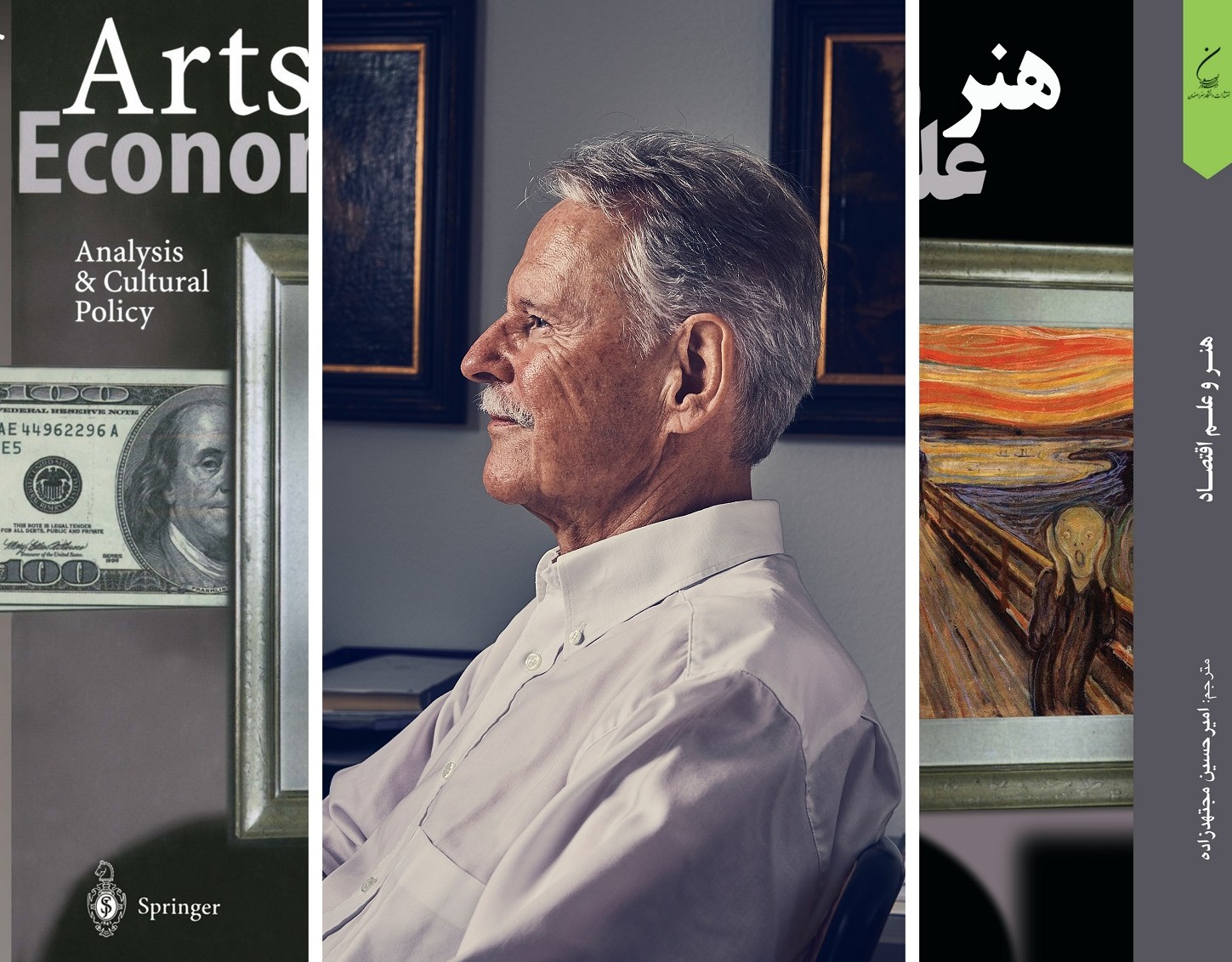
Book Preview; Bruno S. Frey's Arts & Economics, Analysis & Cultural Policy
The Arts & Economics, Analysis & Cultural Policy is an outstanding work of Bruno S. Frey, a famous Swiss economist and professor who has a long history in the field of political economy, culture and art. Using the economic perspective, this exciting book offers an alternative view to sociological or art historic approaches to art. The issues discussed include: institutions f...
4 June 2023
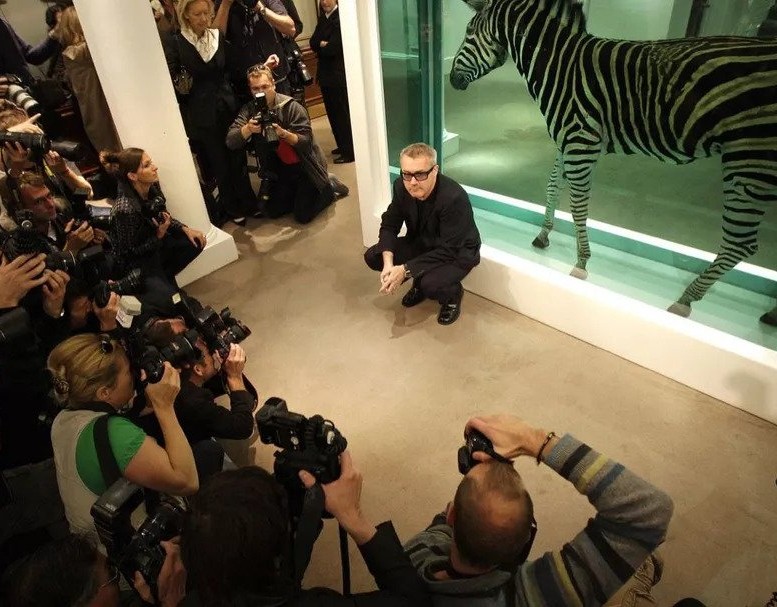
Art as Asset Class
Art can be considered a kind of property and capital due to some capacities. Buying art brings financial returns and, like other traditional assets, increases in value over time. Art can be bought and sold because a separate market has been created for it. In the meantime, buying works from prominent artists has shown a positive return and has attracted investors to create diversity...
6 November 2023

The Islamic and Neo-Traditional Art Market from Its Origins to the Present: A Look at the Statistics and Figures
The Islamic art market emerged in the early 20th century and expanded through independent dealers in Paris, London, and New York. Many of these dealers, who were also collectors, imported valuable artworks directly from Iran, Egypt, and other regions. The secondary market for Islamic art matured by the 1920s, coinciding with the enforcement of restrictions on the export of historica...
3 February 2025