This article is available exclusively in Persian.
Sealed-bid Auctions in the Art Market: From Sotheby's to the Shiraz Arts Festival Posters
9 June 2026
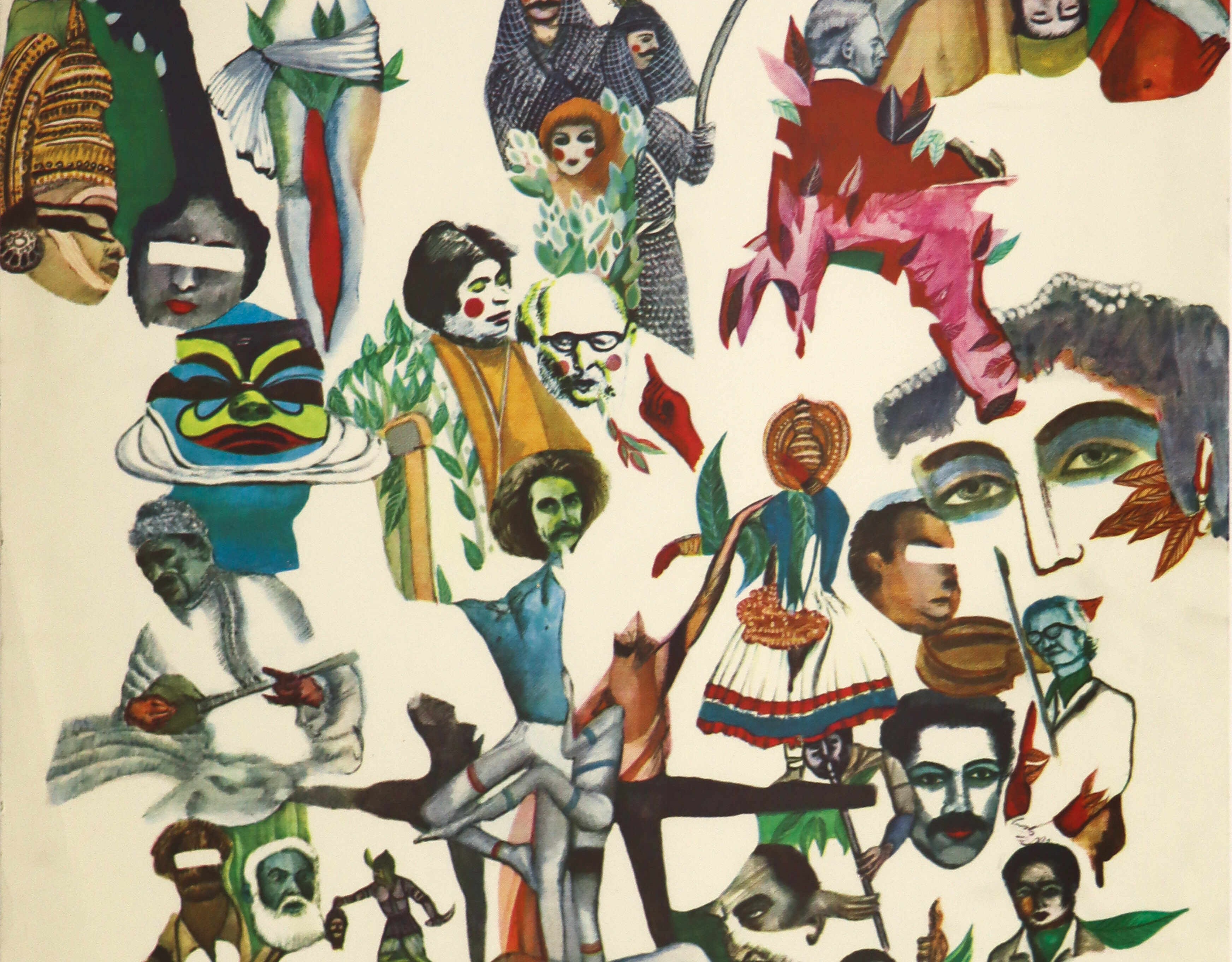
In the art market, auction formats play a crucial role in shaping competition and price formation. Unlike conventional auctions, where bids increase through open competition, sealed-bid auctions require participants to submit a single confidential offer without knowledge of competing bids. This shifts the focus from real-time bidding dynamics to independent valuation. Historically and today, sealed-bid auctions have been used in the global art market as a strategic tool for managing confidentiality and sensitive transactions, including by major auction houses such as Sotheby's. Although less common in Iran, recent examples—such as the sale of the Tenth Shiraz Arts Festival poster collection through Smart Auction—suggest a growing role for this format in the trade of archival and specialized works.
Author(s)

Sevana Boghossian
Related Artists



Related Articles
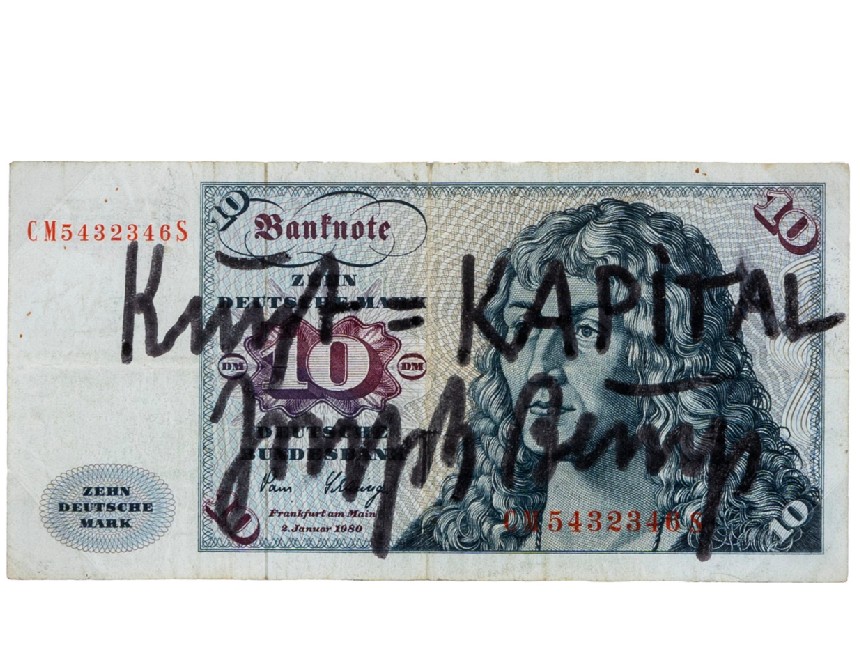
Between Commerce and Sacrifice: The Artist on a Continuum
The origin of the concept of the “ascetic and self-sacrificing artist” can be traced to the expansion of the art market in the nineteenth century and the increasing commercialization of art—a development notably reflected in the writings of Charles Baudelaire. This idea holds that an artist should place the pursuit of art above material concerns.In contrast, the commercially minded...
31 August 2025
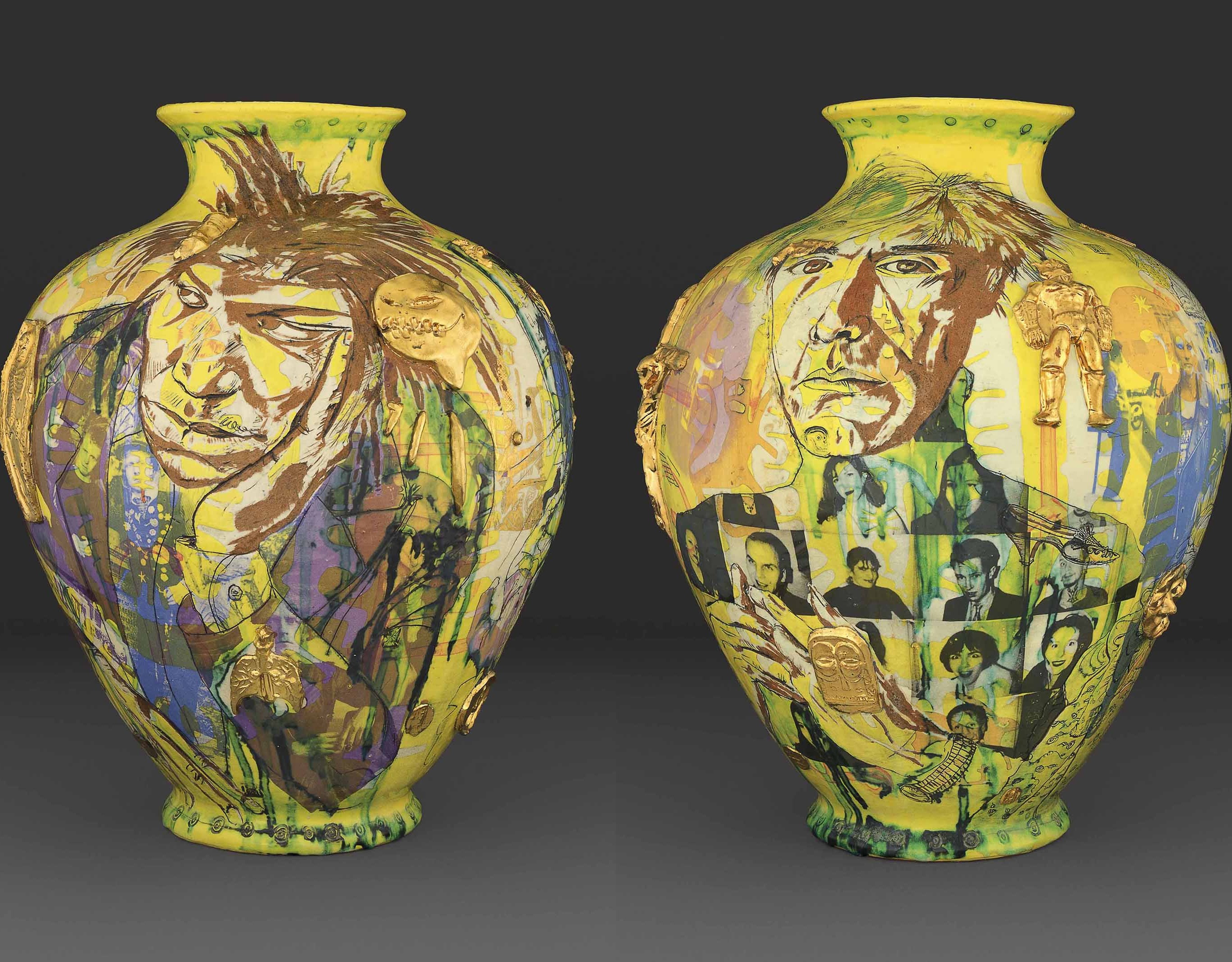
Craft Against Fine Art: The History of a 150-Year Resistance
In the mid-eighteenth century, Charles Batteux, in his treatise Les Beaux-Arts réduits à un même principe," drew for the first time a precise and hierarchical boundary between the arts created “solely for pleasure” and those that pursue “utility” alongside—or instead of—pleasure. This seemingly theoretical distinction in fact laid the foundation for one of the most enduring debates...
1 December 2025

The Suitcase as a Signifier of Displacement: The Artist Between Work and Movement
This text examines the suitcase as both a material object and a symbolic figure within the experience of migration, exile, and displacement—an object that, from the nineteenth century onward, gradually became a defining sign of forced travel and acquired a stable presence in artistic and museological narratives in the twentieth century. Focusing on the historical trajectories of Mar...
4 January 2026