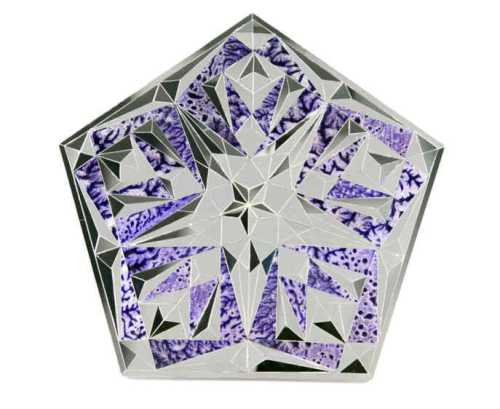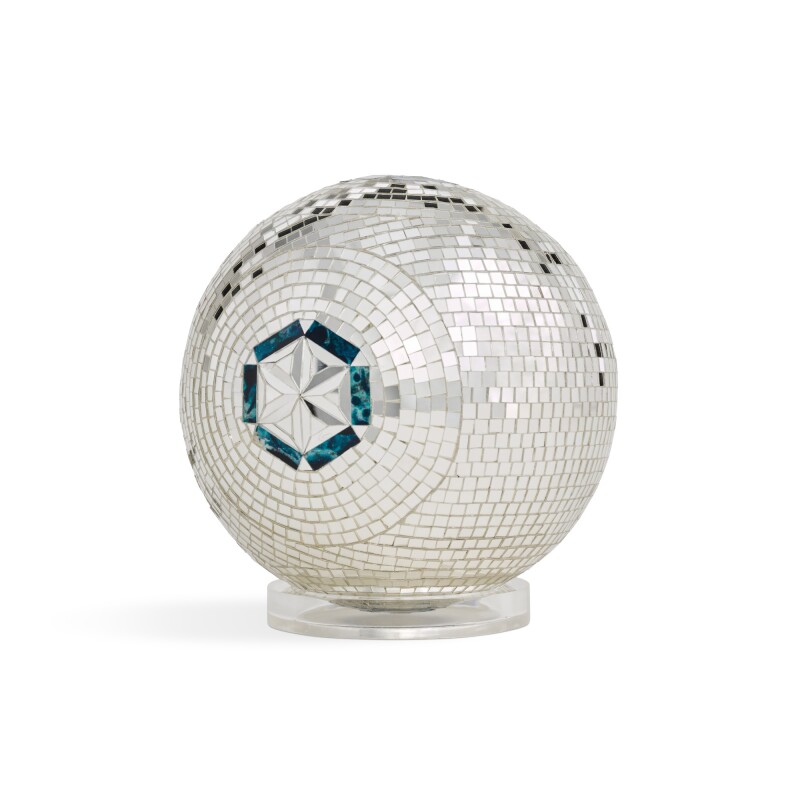


- Mirror Ball 2010
- Mirror, reverse glass painting and plaster mounted on wood
- Sculpture
- 18 cm. 7 in. diam.
22 May 2025
Estimation
70,000,000,000﷼
87,500 USD
-
80,000,000,000﷼
100,000 USD
Realized Price
79,200,000,000﷼
99,000 USD
5.6%
Artwork Description
Farmanfarmaian’s artistic career has spanned over five decades and straddled two cultures; with her stylistic technique, she effortlessly demonstrates how worlds conflate. Mirror Ball is simultaneously playful and poignant; a prime example of how Farmanfarmaian marries the reverence for Iranian handicraft and her heritage, alongside Western contemporaries via a life lived in the perceived pop and glitz of New York in the 70s. Mirror Ball brings together the decorative intricacies of Iranian traditional craft with the ethos of Western abstraction.
“Mirrors are a reflection of anything and everything. You become part of that mirror. It is communication—the mirror and yourself, the piece of art and yourself.”
- MONIR FARMANFARMAIAN CITED IN: ROBIN WRIGHT, 'TWO IRANIAN ARTISTS AND THE REVOLUTION' IN: THE NEW YORKER, 15 SEPTEMBER 2015.
Farmanfarmaian was friendly with Warhol, as she was with Milton Avery, Louise Nevelson, Mark Rothko, and Willem de Kooning. Following her twelve years living in New York, she maintained close relations with many of its most important artistic practitioners. A similar piece as the one on offer was gifted to Warhol by Farmanfarmaian. In the present work, we can observe as much influence from contemporary Western artists as we can from traditional Persian sources.
Her retrospective at the Guggenheim Museum, New York in 2015, Monir Shahroudy Farmanfarmaian: Infinite Possibility. Mirror Works and Drawings, 1974-2014 featured a series of these glittering and rare mosaic balls.
An innovator and a globally celebrated artist in a postmodern world, the beauty of her works lie not in the juxtaposition of opposing worlds, but in her ability to marry them unstirred by cultural differences.
More lots by Monir Farmanfarmaian
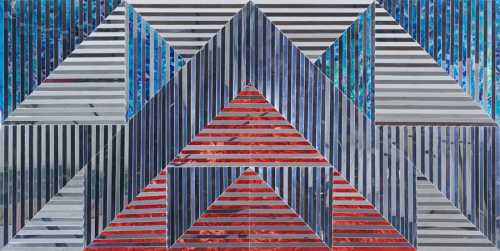
Realized Price
132,377 USD
Min Estimate
92,226 USD
Max Estimate
127,078 USD
Average Artwork Worth
+30.808%
Average Growth of Artwork Worth
Sales Performance Against Estimates
Average & Median Sold Lot Value
2022 - 2026
Performance vs. Estimate
2022 - 2026
Sell-through Rate
2022 - 2026
Similar Artworks
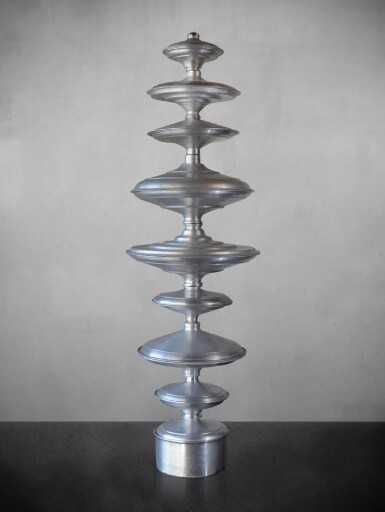
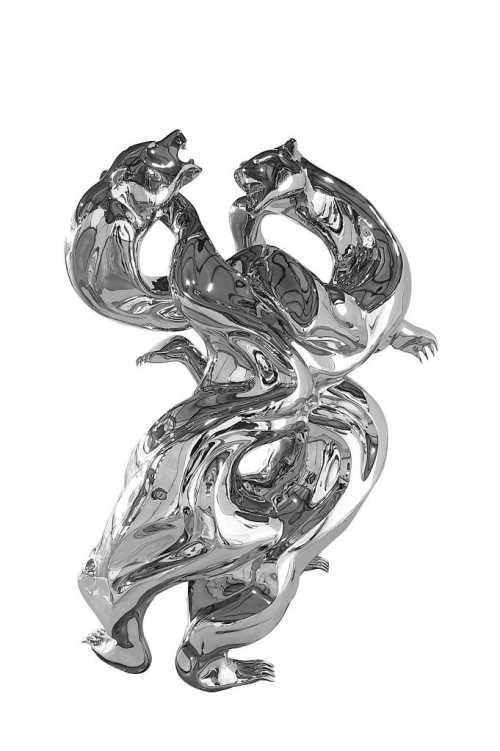
Conflictus III
Estimation
£40,000
50,352 USD
-
£60,000
75,528 USD
Realized Price
£76,200
95,920 USD
52.4%
Sell at
Sale Date
Phillips Auction
-
6 December 2023