Tehran,
No. 7, Abdeh Ave. Larestan Street. ,Motahari Street.
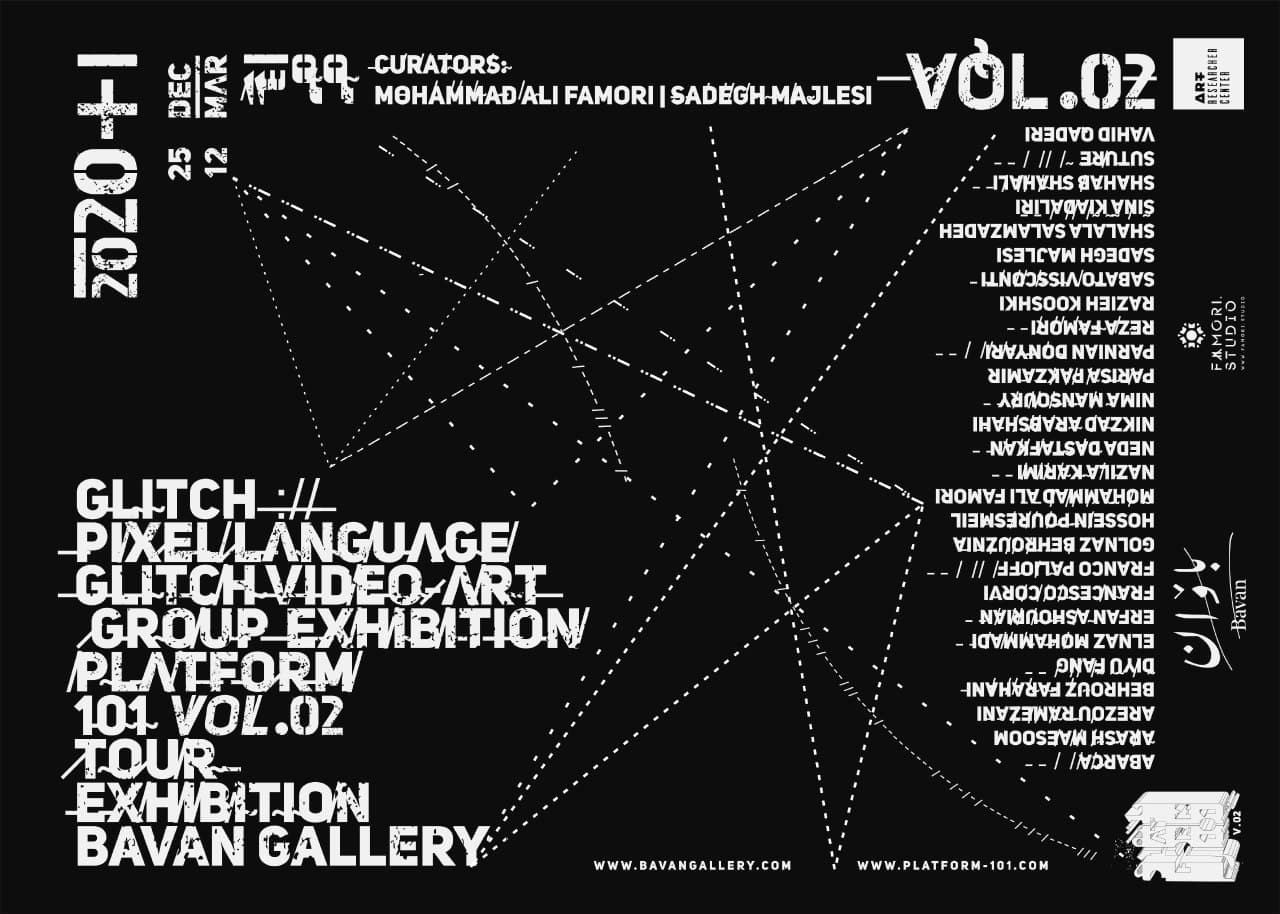
25 December 2020 - 11 March 2021
The binary code of zeros and ones are the foundation of the digital world. Binary code can be defined as the basis and the nature of the digital era. All the definitions of the world of technology and informatics include computing and converting the "zero and one" binary codes. Transferring and calculating data in zero and one system, and creating a safe and secure path for it, has always been one of the goals and missions of the modern man. From the beginning, any fault, disruption, and destruction of the rhythm designated by zero and one have been considered a defect in one of the three sides of the connection, the digital transmitter, receiver, and broadcasting device. Contrary to this notion, in the late 20th century, a new language or genre emerged in the digital art world called "Glitch", which looked at this triangle from an aesthetic point of view and provided new grounds for new interpretations of the noise and glitch phenomenon apart from their mechanical process. The ambiguity in the language of glitch leads to two functions, on the one hand, it gave pixel an independent identity as the smallest component of the digital image, capable of carrying a new mode of expression. It also allows the viewer to look at a disrupted and destroyed image, and by personal interpretations participate in making new meaning.
Pixel language in glitch art is a language and discourse that moves from the whole to parts and subsequently from parts to the whole, creating a cycle that makes us look at pixels as independent elements. In this way, glitch artists distance themselves from the public opinions regarding the noise and create works to introduce the value and nature of pixels, and they do so by redefining the pixel language in our minds. The structural contradictions and apparent similarities between pixel and visual languages have led the glitch artists to utilize all available features and strategies of the visual language, in line with practical logic and structure of the technological revolution to make his language live longer.
Mohammad Ali Famori & Sadegh Majlesi
Pixel language in glitch art is a language and discourse that moves from the whole to parts and subsequently from parts to the whole, creating a cycle that makes us look at pixels as independent elements. In this way, glitch artists distance themselves from the public opinions regarding the noise and create works to introduce the value and nature of pixels, and they do so by redefining the pixel language in our minds. The structural contradictions and apparent similarities between pixel and visual languages have led the glitch artists to utilize all available features and strategies of the visual language, in line with practical logic and structure of the technological revolution to make his language live longer.
Mohammad Ali Famori & Sadegh Majlesi
Artists

Available Nearby Exhibitions
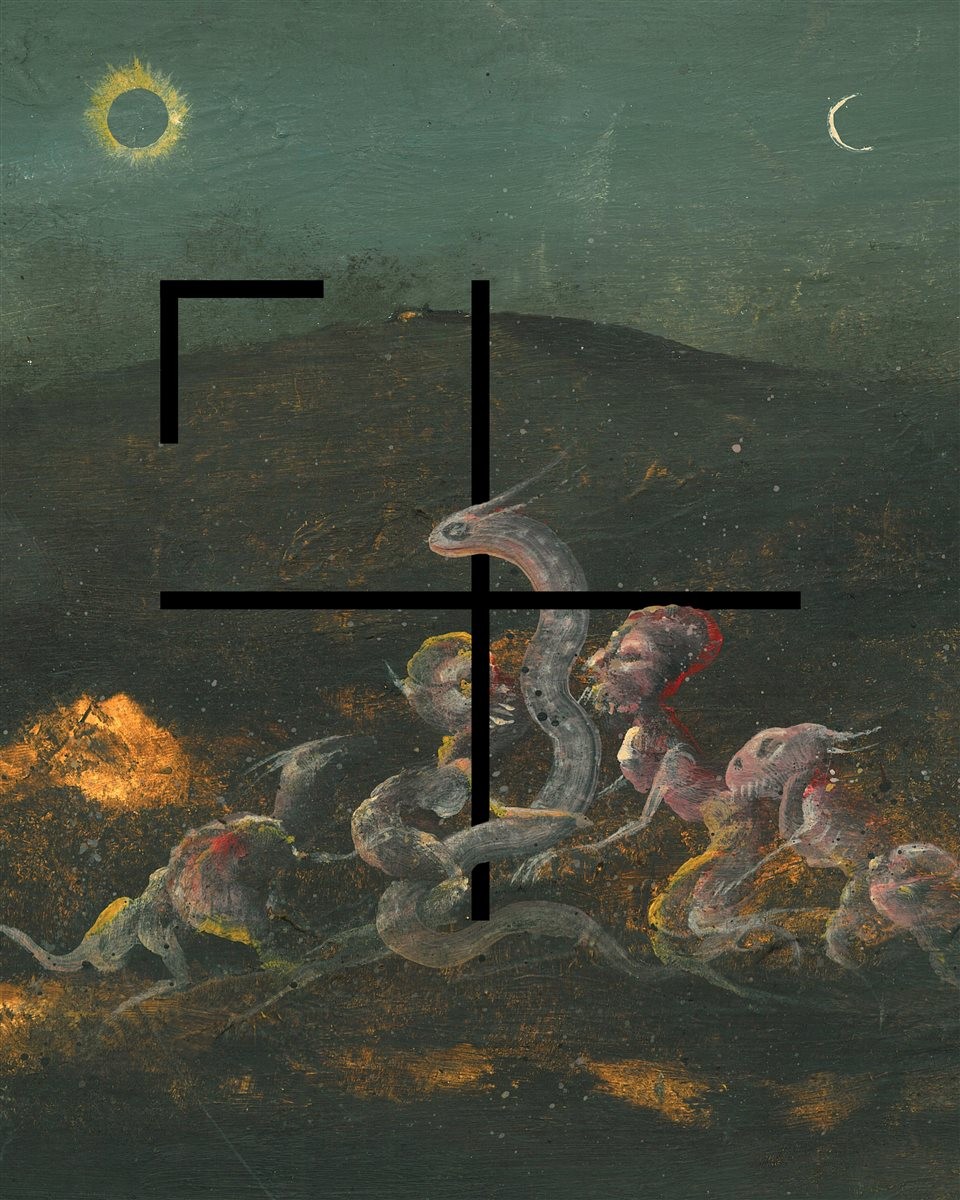
Abrakan: Seeing in the Way It's Not
Tehran
28 November 2025 - 26 December 2025
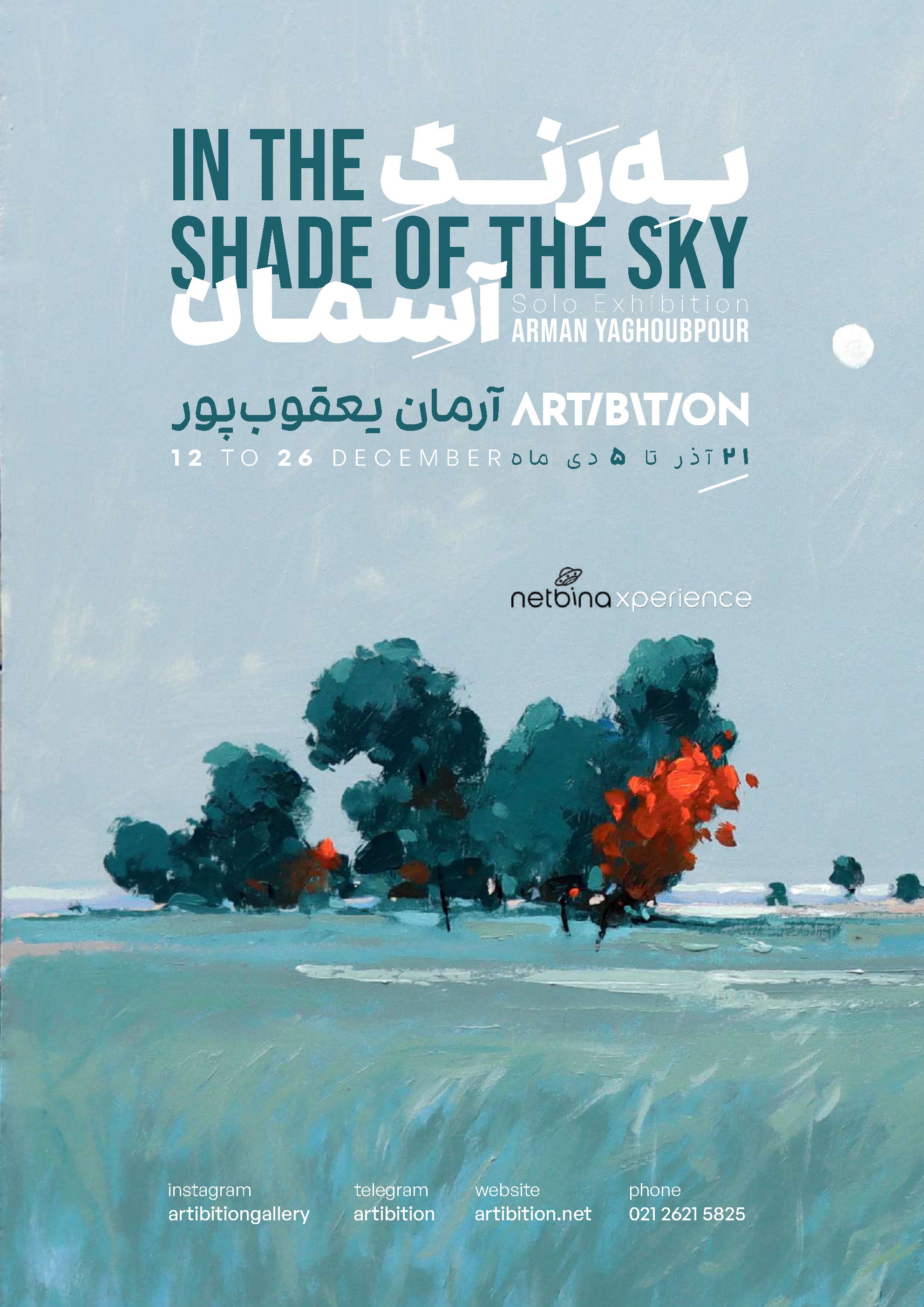
In The Shade Of The Sky
Tehran
12 December 2025 - 26 December 2025